


Sewage Cleanup in Castle Rock, Colorado
Sewage in a basement, bathroom, laundry room, crawl space, or business needs more than ordinary water removal. Our team removes contaminated water, evaluates affected materials, cleans salvageable surfaces, and helps you plan repairs. We help homeowners, landlords, property managers, and commercial property owners protect the rest of the building.
Keep children and pets away from the affected area. Do not touch standing sewage or track it through the building. If it is safe, stop the source without entering contaminated water, then contact our team for a safety assessment.
First, we inspect the source and assess safety concerns. A drain blockage, failed pipe, damaged sewer lateral, sump problem, or heavy rain can change the work plan. Source control comes before extraction so more wastewater does not enter the building.
Need Restoration Help in Castle Rock? Call (720) 821-8920
We start by finding the source and checking how far the wastewater traveled. Our IICRC certified techs document affected rooms, take moisture readings, and explain the cleanup plan before extraction begins. This gives you a clear record of what needs cleaning, drying, removal, or repair.
How Our Sewage Cleanup Process Works
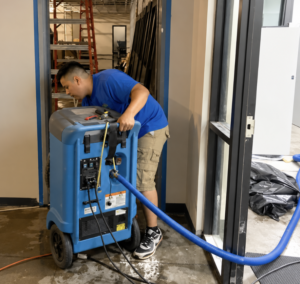
Next, we use extraction equipment to remove sewage and standing water. We inspect carpet, pad, drywall, insulation, flooring, baseboards, cabinets, framing, and contents. Materials that cannot be safely cleaned are removed and documented for the repair plan.
We clean and disinfect surfaces that can remain. Our technicians use personal protective equipment and limit access around contaminated areas. Containment helps keep contaminated debris and moisture from spreading into unaffected parts of the property.
After cleaning, we use moisture meters to check walls, floors, framing, and other materials. Air movers and dehumidifiers support controlled drying based on those readings. We monitor the affected areas and adjust equipment placement as moisture levels change.
Once cleanup and drying are complete, we review repair needs with you. Repairs may involve drywall, flooring, trim, insulation, or other finishes. We keep records of the work so you have a clear file for property management and repair decisions.
Sewage Backup Risks in Castle Rock Properties
Castle Rock includes older masonry and mixed-use buildings in Historic Downtown as well as newer homes, townhomes, and apartments in planned communities. Older plumbing and finished lower levels can hide moisture behind walls or below flooring. Newer neighborhoods can have shared drainage areas and attached housing that require attention to connected rooms and common systems.
After a backup, we check more than the spot where wastewater first appeared. Sloped lots and drainage features can move water toward garages, crawl spaces, basements, and foundation edges. That inspection helps us choose the right extraction, cleaning, and drying plan for your property.
Commercial Sewage Cleanup
A sewage loss in a commercial property can affect occupied areas, shared plumbing, and normal access. We assess the source and contamination, isolate the affected area when needed, and organize extraction, cleaning, and drying around the building conditions.
We document affected areas and moisture readings during the work. Property owners and managers receive clear updates about access, materials that need removal, and the remaining cleanup or repair steps.
For immediate sewage cleanup help in Castle Rock, call (720) 821-8920 to discuss what happened and the next steps for your property.
Water Damage Cleanup Pricing
Sewage cleanup costs depend on the contamination, affected materials, source, access, and amount of drying or repair work required. We inspect the loss first and explain the planned scope before work moves forward.
- Small water loss: $1,000–$3,000
- Moderate water loss: $3,500–$7,500
- Large water loss: $7,500–$15,000+
These prices are general reference points and are not a quote or estimate for a specific property. Actual restoration costs depend on the source and category of water, affected square footage, materials involved, length of exposure, equipment needs, demolition, cleaning, drying time, and repairs. A complete price estimate requires an onsite inspection because the final scope depends on the actual conditions at the property.
Frequently Asked Questions
What should I do first after a sewage backup?
Keep people and pets away from the affected area and avoid touching standing sewage.
Can you clean sewage from carpet and flooring?
We evaluate carpet, pad, flooring, and the materials below them before deciding what can be cleaned. Materials that cannot be safely restored are documented for removal and repair planning.
Do you remove standing sewage water?
Yes. We use extraction equipment to remove sewage and standing water after assessing the source and safety conditions. We then clean, disinfect, and dry the affected areas.
How do you find hidden moisture after a sewage backup?
We use moisture meters to check walls, floors, framing, and other affected materials. We also inspect connected rooms and concealed areas where wastewater or moisture may have traveled.
Do landlords and property managers receive cleanup documentation?
Yes. Our team documents affected areas, moisture readings, material decisions, and completed cleanup work. These records help with tenant communication and repair planning.
Can you handle sewage cleanup in a commercial building?
Yes. We plan commercial sewage cleanup around occupied areas, shared utilities, stored contents, entrances, and equipment placement. The work zone is based on the building's layout and the affected areas.
Will sewage cleanup include drying?
Yes. After extraction and cleaning, we use moisture readings to guide air mover and dehumidifier placement. We monitor affected materials and adjust the drying plan as conditions change.
Does every sewage backup require material removal?
No. We evaluate each affected material and remove items that cannot be safely cleaned. Salvageable surfaces are cleaned and disinfected, while damaged finishes are documented for repair planning.